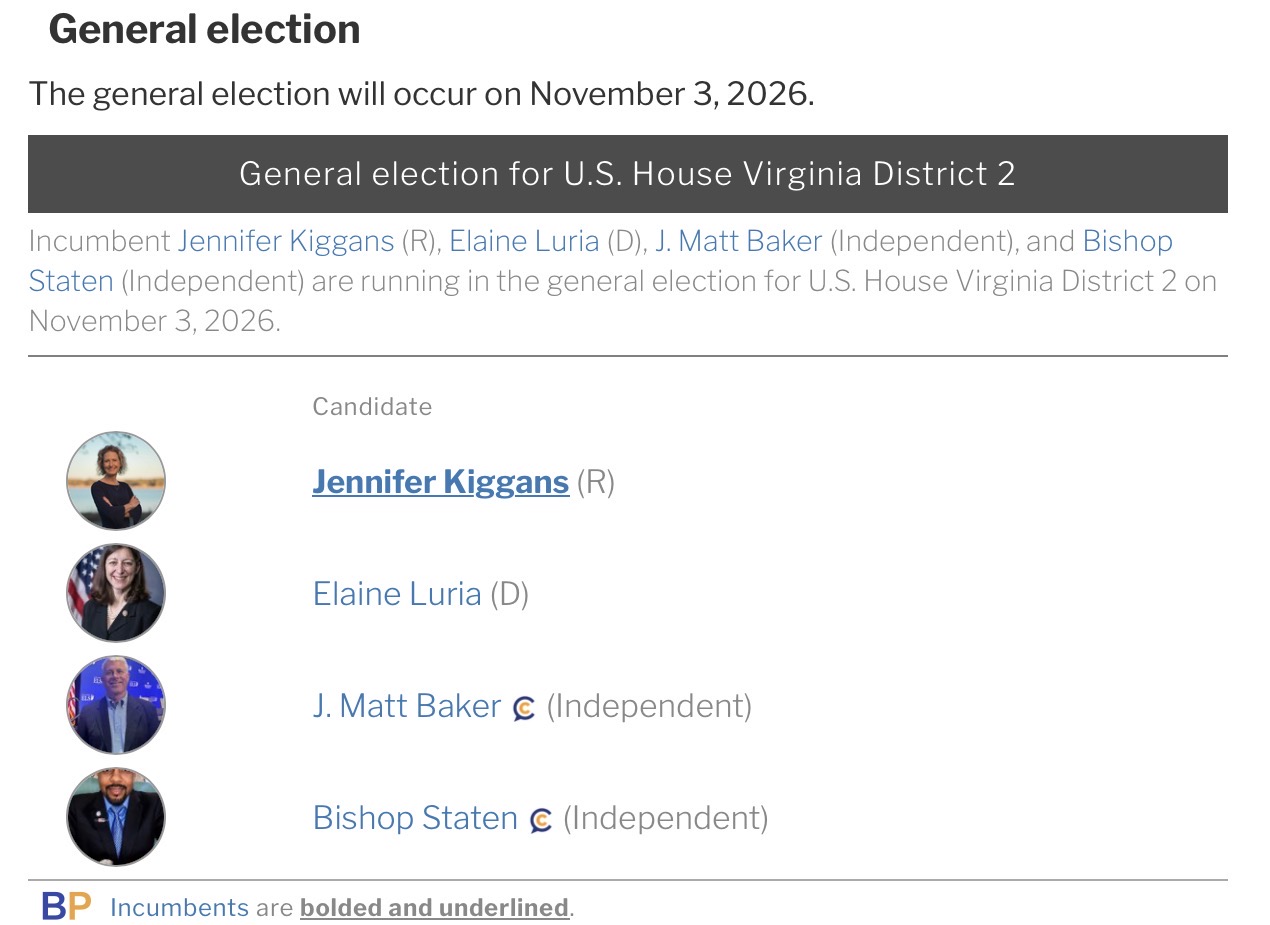
Eric Flores (R) vs. Vicente Gonzalez (D-inc.)
I. The Race

Eric Flores (Republican) is a first-time candidate looking to capitalize on recent Republican gains in South Texas. He is an attorney with an accomplished legal career and also a member of the Texas Army National Guard (infantry officer).
Vicente Gonzalez (Democrat) was first elected to represent TX-15 in 2016. Now representing a twice-redrawn TX-34, Gonzalez, also an attorney, seeks a sixth term. As a member of the House Blue Dog Coalition, he will need to create maximum distance from the radical left in order to win in much more challenging electoral terrain.
II. District Geography

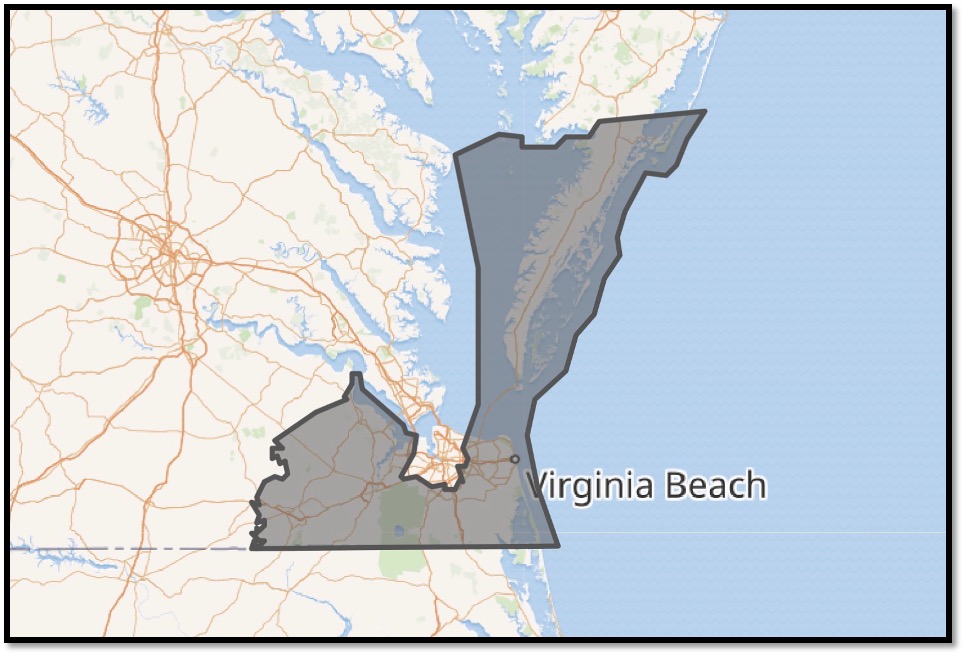
Texas’s 34th Congressional District (TX-34), newly redrawn for the 2026 General Election, stretches from the U.S. border with Mexico along the Rio Grande River all the way north to Nueces County. It includes all of Cameron, Willacy, Kenedy, and Kleberg Counties, and all of Nueces except for the innermost precincts of Corpus Christi. It is truly an expert draw from the Texas legislature. The only question is whether it is ripe for the picking in what is supposed to be a strong Democrat year.
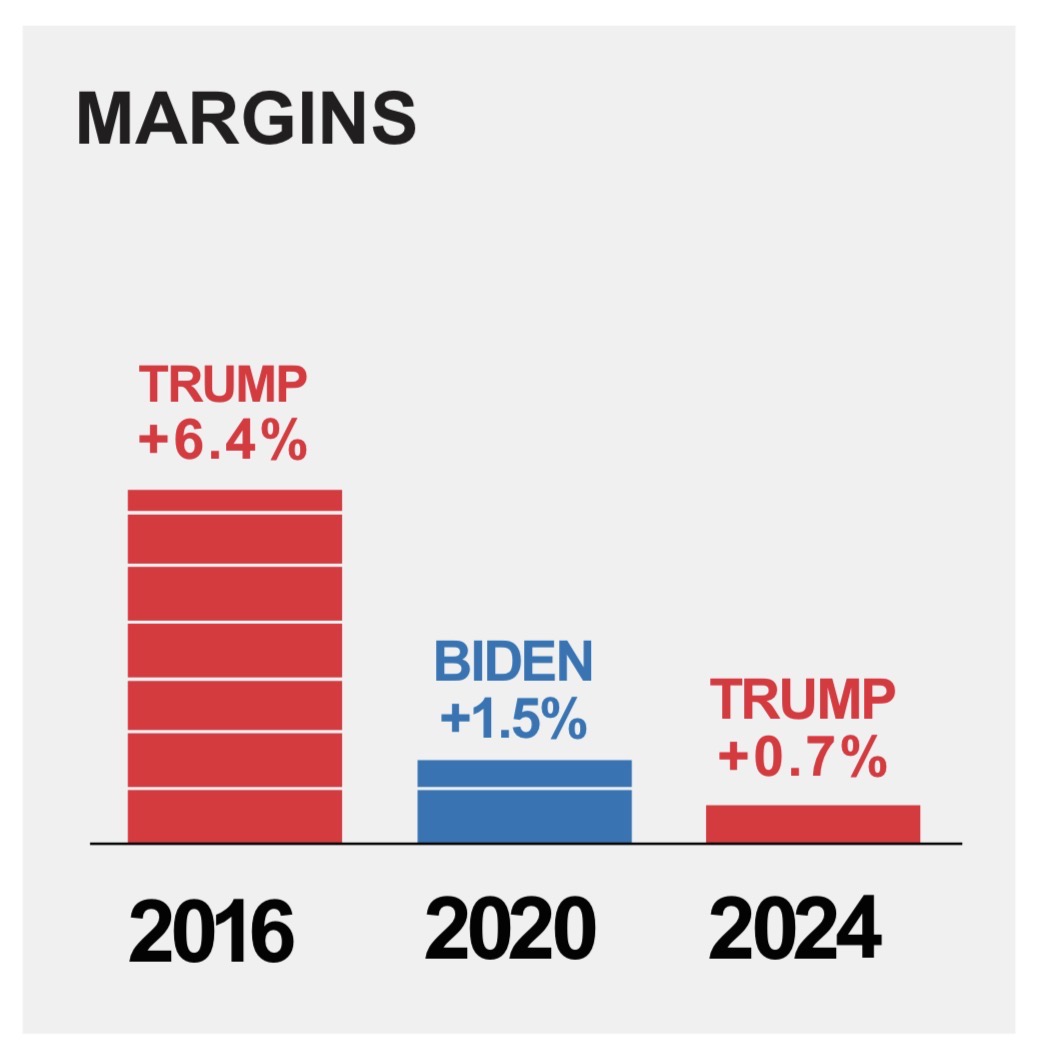
President Trump, thanks to his massive improvement with Latino voters nationwide, won both the newly drawn district (+10.5%) and the old TX-34 boundaries (+5.0%).
Presidential Margins

He won neither the old nor the new boundaries in 2020, but ran these new boundaries 10 points right of where they had been in 2016. A 13 points bump to the right put TX-34 in double digits, punctuating a generational performance in South Texas for a GOP presidential nominee.
Key Statistics
90.3% Hispanic, 7.9% White
84% Urban, 16% Rural
The newly redrawn district, one of the big GOP targets, cut out a McAllen-heavy portion of Hidalgo County and replaced it with the portion of Nueces County described above.
III. Market Assessment
On Polymarket, Gonzalez is the trading favorite, albeit heavily overvalued.
IV. History
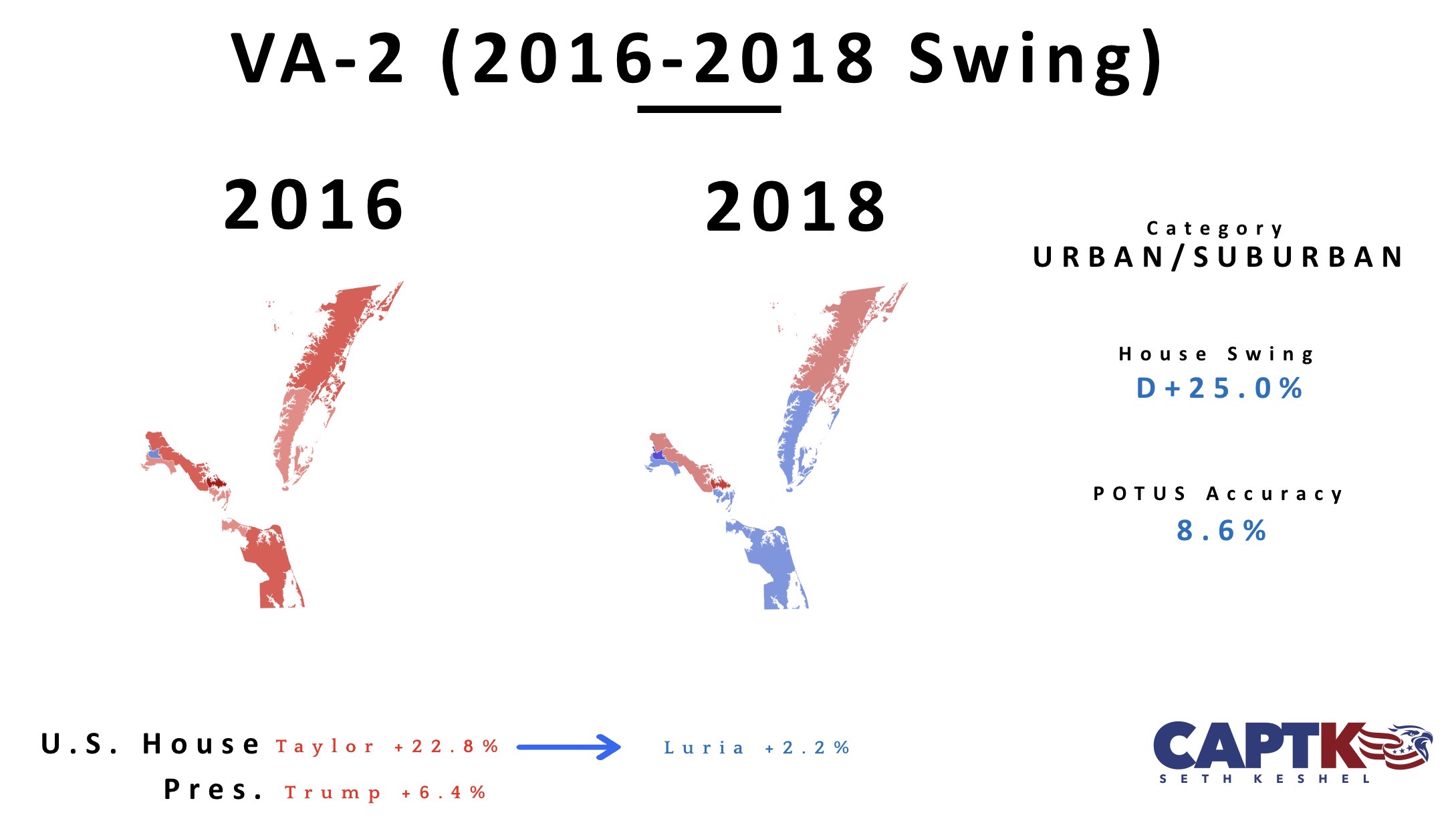
Gonzalez started out in TX-15, winning a +19.6% margin over Republican Tim Westley in a district that ran from the southern end of San Antonio straight south to McAllen. He won reelection in 2018 by +18.9%, but a close call in 2020 force him to reassess his career aspirations.

Facing Trump’s unexpected strength in South Texas, Gonzalez defeated Monica De La Cruz, who now represents TX-15, by just 2.9%. He announced the next year that he would switch over to TX-34; he wound up facing Republican Mayra Flores, who had captured the seat in a special election in March 2022:

Gonzalez rode a much stronger Biden baseline than he had in TX-15 to a +8.5% win over Flores, and successfully defended the seat concurrent with Trump’s massive conquest of South Texas, albeit narrowly:

Mayra Flores (of no relation to Eric) ran 7.6% left of Trump, falling just short of unseating Gonzalez. Gonzalez’s worries stem from TX-34 being redrawn from the Trump +5.0% turf that got him past Mayra Flores by 5,177 votes to Trump +10.5% looping in the most conservative portions of Nueces County.
The longterm trend for the Democrat brand in South Texas looks very bad:

V. Analysis of 2026 Primary Results
Both Gonzalez and Flores had to deal with primaries. Gonzalez won his comfortably while running against a challenger to his left, yet another data point that the future political coalitions of America feature Latinos opposing the emerging DSA:

For Republicans, it was the battle of the Floreses. Eric knocked off Mayra, who was eager for yet another rematch with Gonzalez. The two eventually buried the hatchet, but Mayra seems frustrated in most of her online commentary since endorsing Eric. I doubt any lingering beef will impact the General Election.

VI. Polls
Polls pulled from The New York Times:

Flores published an internal poll showing him in the lead in June; two other polls from mid-August to present have Gonzalez with an average lead of 5 points. It should be noted that Latinos are very difficult to poll, and no 2024 polls detected Trump’s 55% share of the Texas Latino vote.
VII. Media Ratings

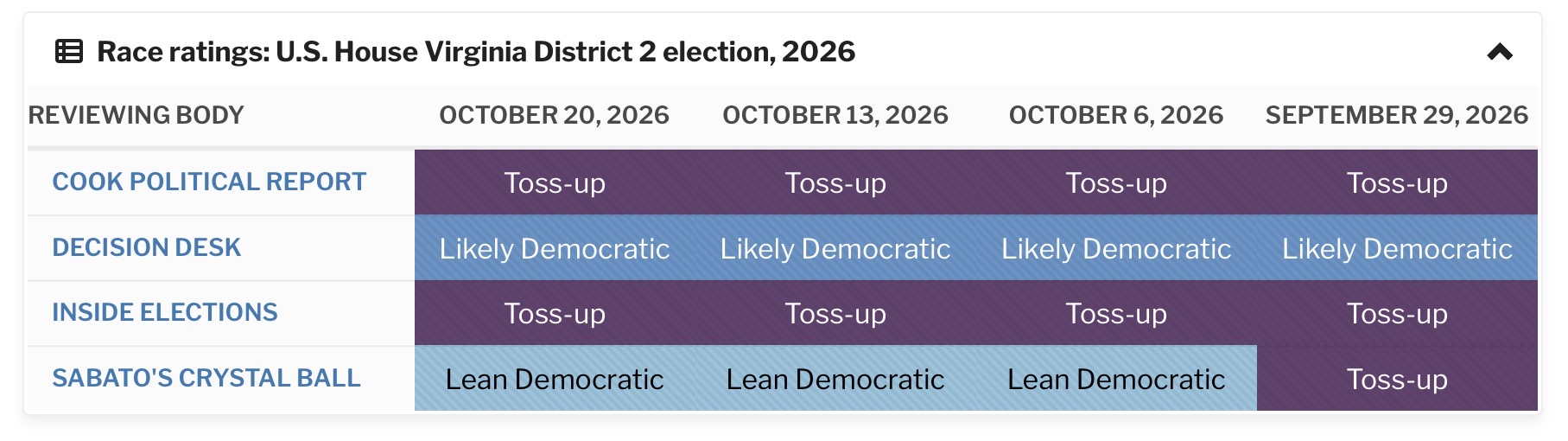
All four major reviewers are looking at this as a tight race. Two have it still labeled “toss-up,” and Decision Desk and Sabato lean it for Gonzalez.
VIII. Party Registration
Texas does not register voters by party; however, no counties with large Latino-majority populations in other states that I know of have a meaningful move to the left by registration since the 2024 election.
IX. Election Considerations
Texas, being such a huge state with an overwhelmingly urban and suburban population, has people rung up on election corruption charges all the time – including in South Texas.
Still, Texas has strong control over what few mail-in ballots are sent out, and the risk for widespread corruption in this race (relative to others I’ve profiled) is low.
X. Summary and Election Estimate
This is another race that is very tough to predict. To Gonzalez’s advantage, most voters in the new TX-34 boundaries to the south of Nueces County are still Democrats. They vote in Democrat primaries because the GOP has very little true infrastructure built in South Texas, and there are very few standard Republican social clubs like those that can be found in every red suburb in the Lone Star State. Anecdotally, I knew a man in a previous life (a gringo) who was as pro-Trump as they came, but he voted in Democrat primaries because it was inevitable a Democrat would win the local race, and he wanted a say-so.
Times are changing. I’m not convinced the Republicans won’t hold most (or all) of Trump’s gains. Roughly 40% of Texas counties shifted more Republican from the 2016 presidential election to the 2018 Texas Senate race, and they were largely Latino – potentially saving Ted Cruz’s campaign. Recent data from Yuma County, Arizona – a strong comp for the Rio Grande Valley, looks very good for the GOP.
TX-34 looms as a must-win for any hope of a GOP majority, especially since OH-7 and NC-11 are jump balls thanks to unforced errors. Essentially, Flores is going to need to hit the Latino working-class hard and hold the emerging red suburbs of Cameron County (where they actually do vote in GOP primaries), limiting margins of defeat in core Brownsville and rolling out every last right-winger in the northern end of the new boundaries.

If Latino margins blow slightly left of 2024, Gonzalez can still hold the district based on his incumbency and the familiarity of his voters with the party; however, if the gains stick, then Flores can introduce a brand-new lay of the land for Republican politics in South Texas.
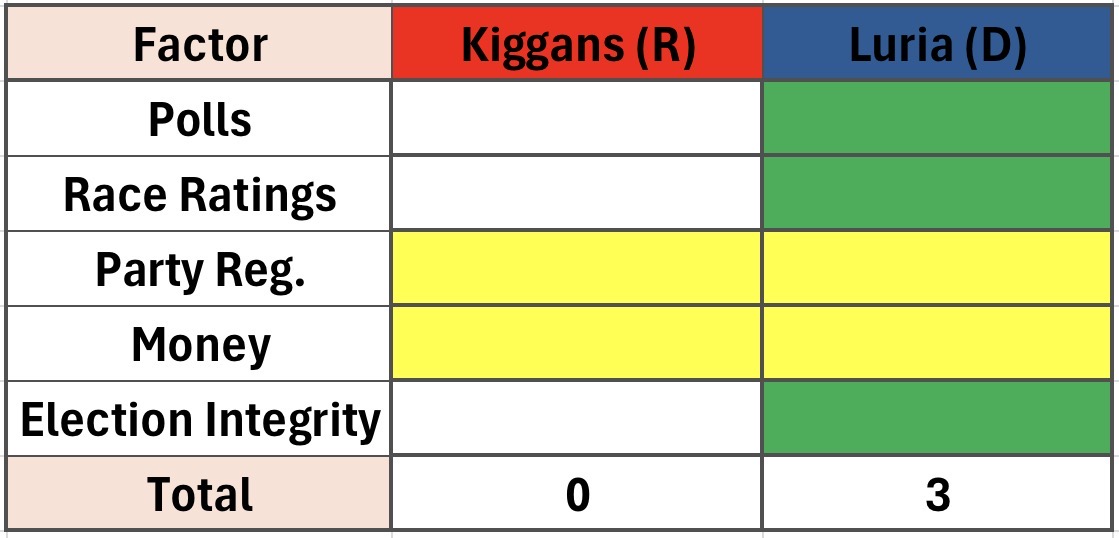
My decision matrix gives Gonzalez the edge in three of four applicable categories:

Gonzalez knows the drift of the district, and that’s why he’s been over-the-top in rejecting the woke agenda and championing his “blue dog” credentials. If he manages to hold on in 2026, he’s probably going to be gone in 2028 with a return to presidential trend lines. I consider this race a pure flip of the coin, only edged to Gonzalez for incumbency, party infrastructure, and midterm dynamics (which may not apply for this very unique district). Multiple sources in Texas have confirmed to me that the race is viewed as very tight.
Forecast for TX-34 House

Seth Keshel, MBA is a Senior Fellow at the Gold Institute for International Strategy and a retired Army Captain. He publishes Captain K’s Corner on Substack.