In the News
This article was written by the editors and appeared in ADN Cuba. Hermann Tertsch: “Cuba va a ser el próximo país” tras los cambios en Venezuela.
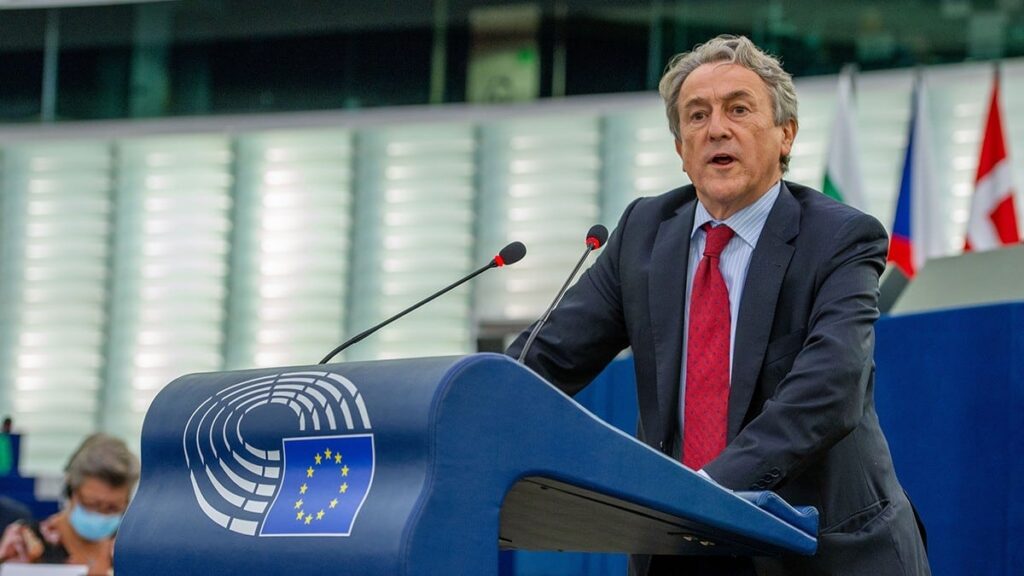
Featuring Hermann Tertsch, Distinguished Fellow (Honorary), Gold Institute for International Strategy
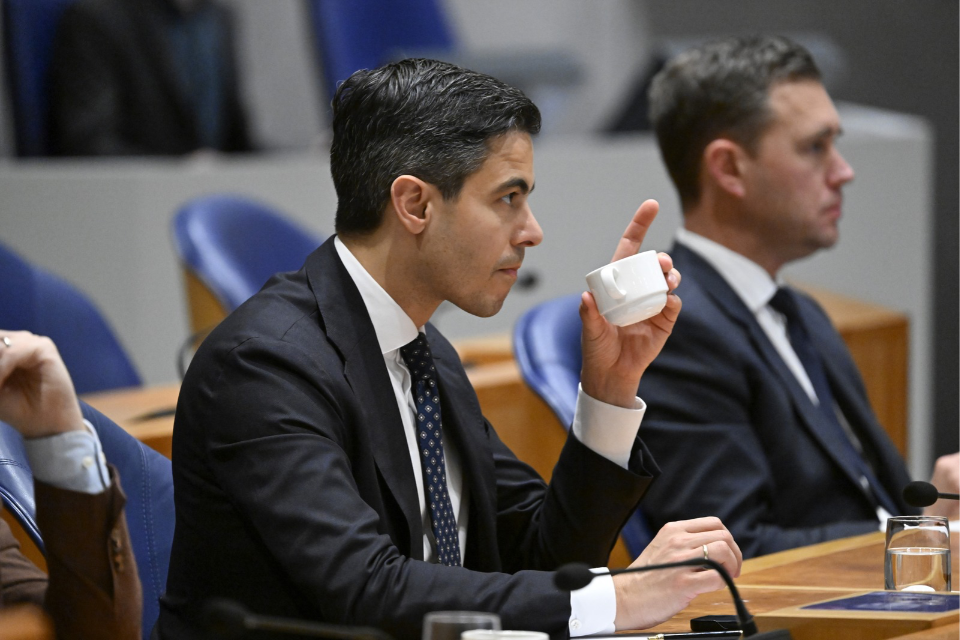
Spanish MEP Hermann Tertsch said that Cuba will be the next country in which he hopes to accompany a process of political change, following his recent visit to Venezuela, and stated that the Havana regime will soon lose the support that, in his view, it has received for decades from European political sectors.
“Cuba has had a great many accomplices in Europe. And it is going to stop having them very soon,” Tertsch declared, referring to the need to end the political alliances that have favored the governments in Havana and Caracas.
The parliamentarian, a member of the Patriots for Europe group and a representative of the Spanish party VOX, also stated his intention to travel to Cuba together with members of the exile community, among them the writer Zoé Valdés. “Cuba is going to be the next country we will walk through, together with Zoé Valdés and the great Cubans of the exile,” he said.
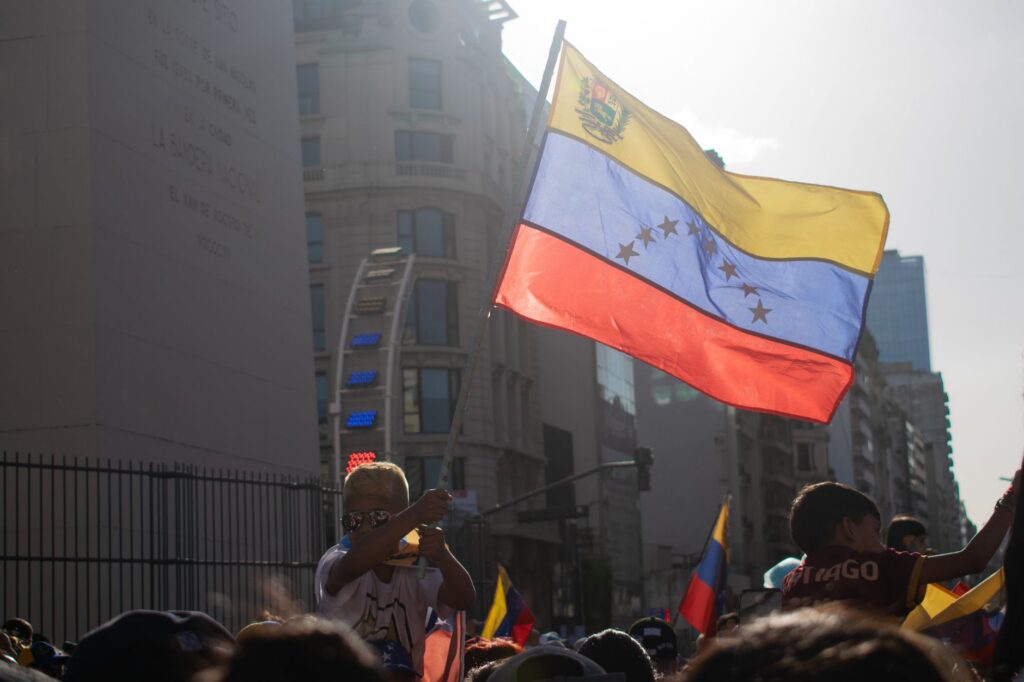
His statements come after a trip to Venezuela, where he was with other politicians and exiled Venezuelans who returned to the country, amid expectations of a process of political transition.
During his remarks, Tertsch questioned the role Europe has played toward the authoritarian governments of the region and held the government of Spain especially responsible for having helped keep up political support for chavismo.
“Europe has played a toxic and negative role throughout all these past years. The criminal chavista regime has found, has always found accomplices in Brussels, and that has been thanks to the socialist government of Spain,” he maintained.
The MEP also highlighted the work of U.S. Secretary of State Marco Rubio regarding events in Cuba and Venezuela. He described his approach as prudent and aimed at helping events move in the direction he considers right, although he acknowledged that there is impatience among those who want faster change.
Critic of the agreement between the EU and the Cuban regime
Tertsch’s recent statements are part of a long record of criticism of the European Union’s policy toward Havana and, in particular, of the Political Dialogue and Cooperation Agreement (PDCA), provisionally in force since November 2017.
The MEP has repeatedly questioned Brussels’ keeping that framework of relations with Havana, on the grounds that it helps legitimize and finance a dictatorship without demanding real progress on human rights and fundamental freedoms.
In January 2021, Tertsch called the European decision to abandon the 1996 Common Position in order to establish an agreement with Havana “regrettable.” In statements to Radio Martí, he argued that the pact favored the Cuban regime and offered no democratic concessions in return.
In March 2022, after the sentencing of protesters from 11J, he called for the immediate suspension of the agreement and denounced the repression of those who took part in the anti-government protests.
More recently, in May 2026, he announced that his parliamentary group would push a resolution to suspend the agreements the European Union maintains with Cuba. He also stated before the European Parliament that the dictatorship was closer than ever to collapse, because of its economic and political failure.
In another speech before the Euro-Latin American Parliamentary Assembly (Eurolat), that same month, he questioned allowing representatives of the Cuban regime in a forum where matters such as democracy, human rights and the separation of powers are debated.
The PDCA was signed on 12 December 2016 and obtained the consent of the European Parliament in July 2017. Its provisional application began on 1 November of that year and established a framework of political dialogue and cooperation between the two parties.
Tertsch’s stance contrasts with the policy of rapprochement the European Union has maintained toward Havana, despite reports of political repression, the imprisonment of opponents and restrictions on fundamental freedoms on the island.
Read the full article at ADN Cuba
Hermann Tertsch is a Distinguished Fellow (Honorary) at the Gold Institute for International Strategy, a Washington, D.C. foreign policy and defense think tank.