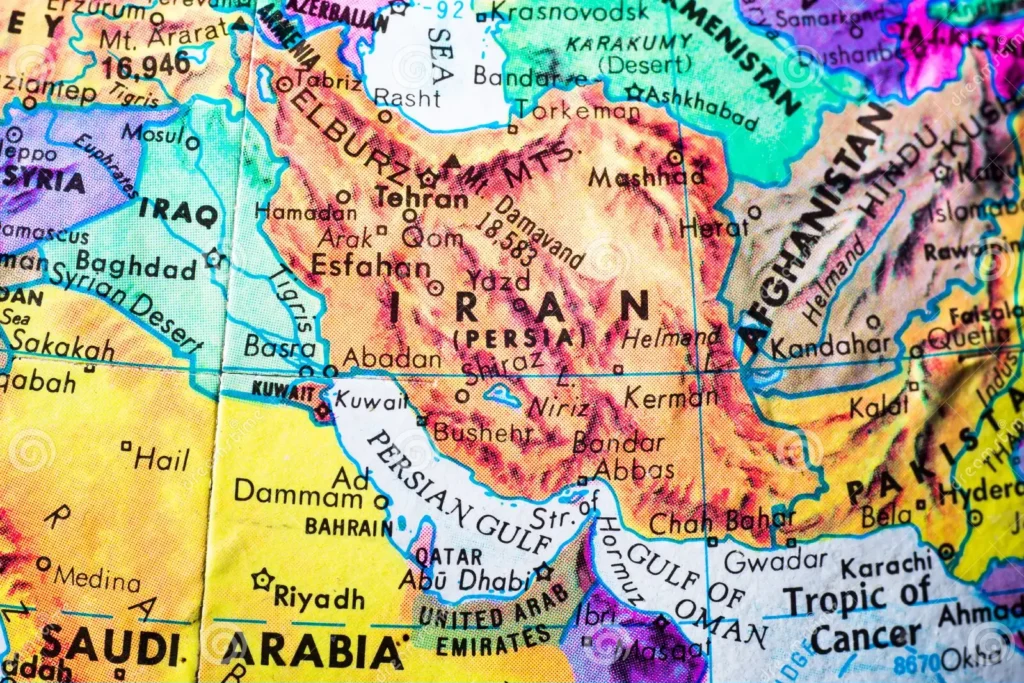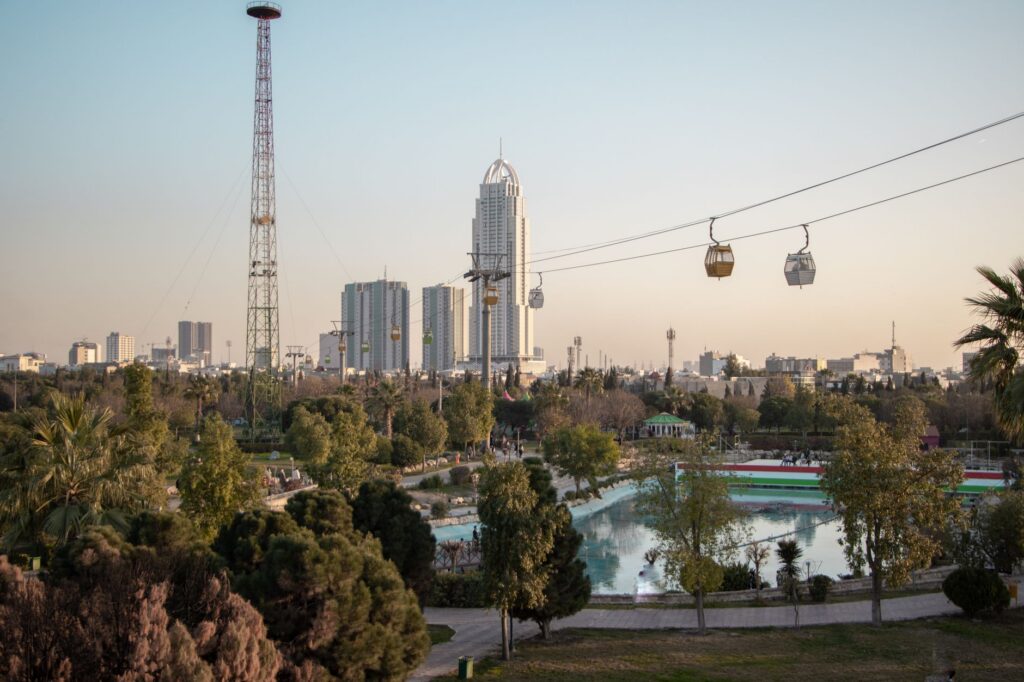
The departure of the last American forces from Erbil on September 30, 2026, should mark more than the end of a military deployment. It should end a familiar justification for violence against the Kurdistan Region of Iraq. Tehran and Iran-backed armed groups have repeatedly invoked the American military presence to explain attacks on Kurdish territory. That presence has now ended. Any continuation of this campaign would expose an enduring hostility toward Kurdistan itself, rather than a credible objection to foreign troops.
U.S. Central Command confirmed tha American forces and equipment had completed their departure from Erbil Air Base, ending the Operation Inherent Resolve mission in Iraq. The base had hosted most of the approximately 1,500 American and coalition personnel supporting the counter-ISIS mission. The task force continues operating from Jordan, including against ISIS in Syria. Iraq’s transition to a bilateral defense relationship with Washington does not change the central fact: the American deployment in Erbil has ended.
The scale of violence makes this momen especially consequential. According to the Kurdistan Regional Government’s Department of Media and Information, the Region suffered 809 attacks between February 28 and April 20, 2026: 701 drone attacks and 108 missile attacks. Its report recorded 20 people killed and 123 wounded. Erbil Governorate alone accounted for 477 attacks. These are official Kurdish figures for a defined period, rather than an independently verified total for the entire year.
Those numbers describe repeate interruptions to ordinary life. The same report recorded damage affecting the homes, vehicles, and workplaces of 726 citizens in Erbil Governorate. Each attack carries consequences beyond its immediate blast: businesses suspend operations, families fear another strike, and investors reconsider commitments. Responsibility must be established incident by incident; the aggregate figures do not prove that Iran directly launched every weapon. Nevertheless, the documented pattern demands accountability, including for Iran-backed factions accused of conducting attacks.
This campaign also has a longer history. On March 13, 2022, twelve ballistic missiles struck Erbil in an attack claimed by Iran’s Revolutionary Guards. Reuters reported one civilian injured and no damage to American facilities. On September 28 that year, Iranian missile and drone strikes near Erbil and Sulaimani killed 13 people and wounded 58, according to figures reported by Reuters. These were substantial cross-border assaults, with consequences borne on Iraqi territory.
On January 15, 2024, another Iranian ballistic missile attack struck a home in Erbil. Human Rights Watch documented four civilians killed and six injured. Tehran described its target as an Israeli intelligence headquarters, a claim rejected by Kurdish authorities. American troops were therefore never Iran’s only stated justification: alleged Israeli activity and Iranian Kurdish opposition groups have also featured in Tehran’s explanations. But changing allegations cannot substitute for evidence, lawful procedures, or respect for civilian lives.
The repeated attacks affecting civilian camps housing Iranian Kurdish refugees and the families of political exiles are especially troubling. Human Rights Watch documented strikes on residential communities where witnesses reported no military activity. In April 2026, the Democratic Party of Iranian Kurdistan (PDKI) reported 112 missile and drone attacks against sites linked to Iranian Kurdish parties since February 28, including repeated strikes on civilian camps. These are party-reported figures, not an independently verified count. Iranian Kurdish representatives have repeatedly stated that they will not use Iraqi Kurdistan as a launching ground for military attacks against Iran. PDKI representatives reiterated this position in March and August 2026. Political opposition does not erase civilian protections, and the presence of party members cannot justify treating entire refugee communities as military targets.
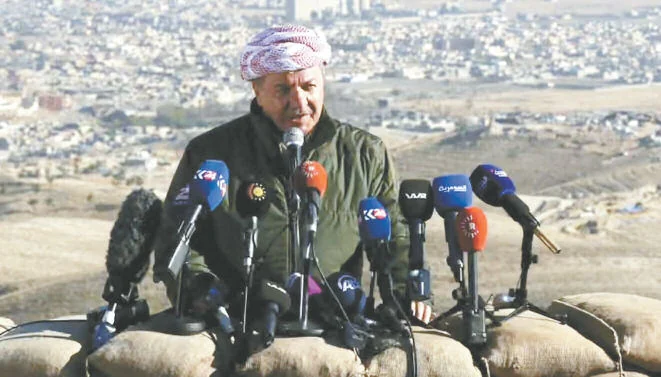
Kurdish leaders have repeatedly articulated a different approach to regional relations. Following the March 24, 2026 attack on Peshmerga positions, President Masoud Barzani condemned the assault as unjustified. He stated that Kurdistan had stayed outside the regional war and had never threatened its neighbors. His position is clear: Kurdish security should not depend on accepting participation in another country’s conflict.
President Nechirvan Barzani has likewise reaffirmed that the Region poses no threat to neighboring countries, particularly Iran. Prime Minister Masrour Barzani has emphasized the same policy of avoiding threats to neighboring security. These assurances deserve practical engagement through diplomacy and security cooperation. If Tehran has specific concerns, it can raise them with Erbil and Baghdad through established channels. Firing missiles undermines the cooperation that any serious effort to address those concerns requires.
Kurdistan’s contribution to stability extends well beyond such declarations. Its partnership in the struggle against ISIS helped defend communities threatened by an organization that sought to eradicate religious diversity. The Region also became a refuge for people escaping war and persecution. UNHCR reports that Iraq hosts more than 330,000 refugees and asylum-seekers, with almost 91 percent living in the Kurdistan Region. Providing shelter on that scale is a tangible contribution to regional security and human dignity.
Minority protection is central to that contribution. According to the KRG, the Region provided refuge to nearly two million internally displaced people and refugees during the displacement crises, including approximately 138,000 Christians from the Nineveh Plains who sought safety in 2014. These are historical figures, not a claim about today’s displaced population. For Christians, Yazidis, and other vulnerable communities, preserving secure places to live is essential to keeping Iraq’s pluralism alive.
Economic development offers another route to stability. Energy production, commerce, agriculture, and dependable public services create livelihoods and encourage cooperation across borders. By July 10, 2025, the KRG reported that its Runaki electricity project supplied uninterrupted power to 450,000 households and 90,000 businesses, benefiting approximately two million people. Attacks on oil fields and gas infrastructure jeopardize these gains. Their costs fall on workers, patients, shopkeepers, and families who need reliable electricity and incomes.
The legal principle is equally clear. Article 2(4) of the United Nations Charter prohibits force against another state’s territorial integrity or political independence. Article 51 recognizes self-defense in response to an armed attack; it does not provide an unrestricted license to strike across borders. Kurdistan is constitutionally part of Iraq, and unjustified attacks on its territory violate Iraqi sovereignty. Deliberate attacks on civilians also raise distinct violations of international humanitarian law.
Baghdad must therefore protect Kurdish territory, investigate attacks, and hold perpetrators accountable. International partners should support civilian protection and insist that economic infrastructure is safeguarded. Tehran, meanwhile, faces a straightforward test. With American forces gone from Erbil, it should demonstrate respect for its Kurdish neighbors through restraint and dialogue. Continued unjustified attacks would reveal deep hostility toward a region that has offered refuge, resisted extremism, and sought peaceful relations. The American deployment has ended. The excuses for attacking Erbil should end with it.
Statistics and their sources, in order:
1. September 30, 2026 — U.S. withdrawal: CENTCOM confirmed the departure of American forces and equipment from Erbil. The base had hosted most of approximately 1,500 American and coalition personnel. Source: U.S. Central Command.
2. February 28–April 20, 2026 — Regional attacks: 809 attacks, including 701 drone attacks and 108 missile attacks; 20 killed and 123 wounded. Source: KRG Department of Media and Information. These are official KRG figures for this period.
3. Erbil Governorate — same period: 477 attacks, comprising 419 drone attacks and 58 missile attacks; property damage affecting 726 citizens. Soran was recorded separately. Source: KRG Department of Media and Information.
4. March 13, 2022: 12 ballistic missiles, one civilian injured, and no damage to U.S. facilities. Source: Reuters.
5. September 28, 2022: 13 killed and 58 wounded in Iranian missile and drone attacks. Source: Reuters, republished by L’Orient Today.
6. January 15, 2024: Four civilians killed and six injured in an Iranian missile strike on a home in Erbil. Source: Human Rights Watch.
7. February 28–April 15, 2026 — Iranian Kurdish party sites: The PDKI reported at least 112 missile and drone attacks, including 96 targeting the PDKI. It described the April 15 strike on the civilian camp near Degala as the fifth attack on that camp in one month. These are party-reported figures and should not be added to the KRG total, because incidents may overlap. Source: PDKI’s April 15 press release.
8. Refugees: Iraq hosts over 330,000 refugees and asylum-seekers; almost 91% live in the Kurdistan Region. Source: UNHCR’s Iraq country page.
9. Historical displacement response: Nearly two million displaced people and refugees received refuge, including approximately 138,000 Christians who fled the Nineveh Plains in 2014. These are historical figures, not today’s population count. Source: KRG.
10. July 10, 2025 — Runaki: Uninterrupted electricity for 450,000 households and 90,000 businesses, benefiting approximately two million people. Source: KRG Ministry of Electricity.
11. Civilian camps and residential communities: Human Rights Watch’s October 19, 2022 investigation documented attacks affecting Iranian Kurdish refugees and residential areas where witnesses reported no military activity.
12. Commitments against cross-border attacks: The New Arab reported Iranian Kurdish representatives’ assurances in March 2026. On August 30, Shafaq News reported PDKI spokesperson Khalid Azizi’s statement that Iraqi territory would not be used to launch attacks against Iran.
13. President Masoud Barzani’s March 24, 2026 statement: Condemnation of the attack and affirmation that Kurdistan had never threatened its neighbors. Source: The New Region.
14. President Nechirvan Barzani’s assurances: Source: Kurdistan Region Presidency.
15. Prime Minister Masrour Barzani’s policy: Source: KRG’s published Al Jazeera interview transcript.
16. Energy infrastructure attacks: Source: KRG Ministry of Interior’s November 2025 statement.
17. International law: United Nations Charter, Articles 2(4) and 51, and Human Rights Watch’s assessment of civilian attacks.